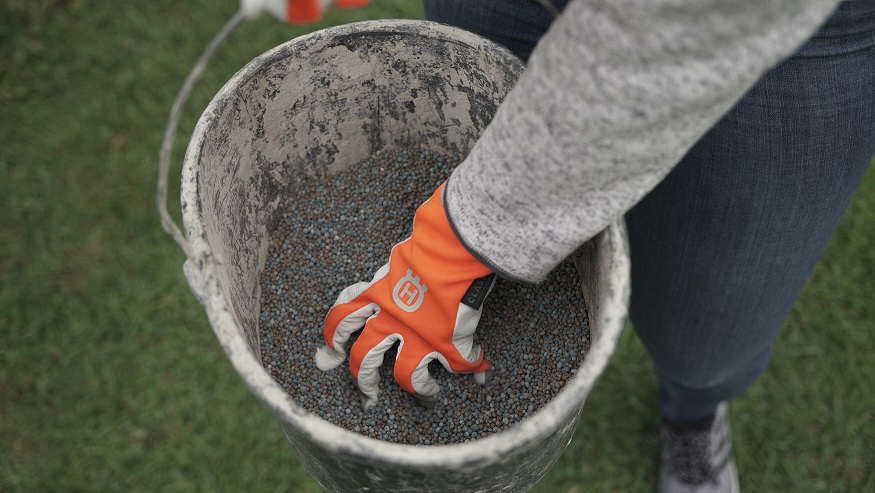

ADVERTORIAL: A patchy lawn is one of the most common frustrations for people with gardens.
You can do everything right, but those stubborn bald spots and uneven patches still refuse to grow, leaving your lawn looking scruffy instead of at its best.
And that’s what’s so annoying. A lush, green lawn is meant to be the hero of the garden – the setting for weekend braais, family fun, or a quiet moment outside with a book.
So, when parts of it just won’t grow, thin out, or seem to disappear overnight, despite your best efforts, it’s only natural to start wondering what on earth has gone wrong.
Timothy Isabirye, Marketing Manager at Husqvarna South Africa, offers some reassurance: “Patchy lawns are very common, so you are not alone, and there’s usually more than one reason behind it.
The good news? It is fixable”.
He explains some of the causes that are generally behind those bare areas:
The Main Culprits Behind Patchy Lawns
- Hard, compacted soil: Heavy foot traffic or clay-rich soils compress the ground and can squeeze the life out of roots.
- Poor drainage: Waterlogged, muddy areas after rain suffocate grass.
- Nutrient deficiencies: Without enough nitrogen or organic matter, grass thins out and loses colour.
- Sunlight imbalance: Shade weakens grass, so it often struggles to grow evenly.
- Pests: White grubs chew grass roots, often killing the affected areas and leaving bare patches
- Uneven watering: Sprinklers that miss corners or inconsistent watering schedules can leave grass thirsty, creating patches.
- Sudden brown circles: Usually due to a fungal infection taking hold after rain or damp conditions.
The Fix
“Once you understand the cause, whether it’s soil compaction, shade, or watering habits, you can apply the right fix and see lasting improvement,” says Isabirye, who offers some tips on how to get your lawn back on track:
- Aerate the Ground – Every great lawn starts with a solid base. Clear away any debris, rake out dead grass, and loosen up compacted soil to give new growth a fighting chance. For really small areas, a garden fork or aerator works just fine.
If you’re tackling a bigger section, a lightweight, battery-powered scarifier like the Husqvarna S138i – designed specifically for this kind of job – will cut through surface build-up such as moss, thatch, and old organic matter quickly and efficiently.
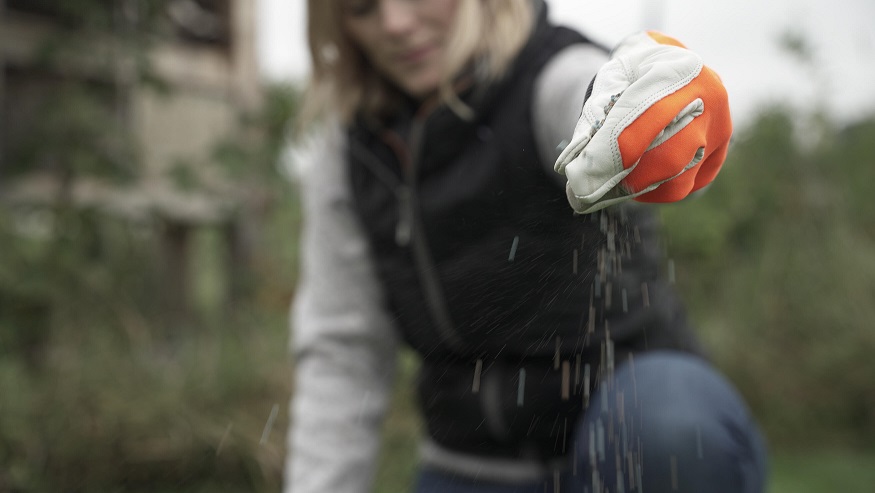
2. Reseed Bare Patches – Give your lawn a second chance by reseeding. Match the seed to your space – shade‑tolerant for under trees, tough varieties for busy footpaths. Sow evenly, cover lightly with soil or compost, and keep the area moist until seedlings are established.
3. Feed and Water Consistently – Lawns love routine. Feed with a slow‑release fertiliser, water during the cooler hours, and mulch to lock in moisture. Think of it as a wellness plan for your grass.
4. Improve drainage: Heavy soils, especially clay-rich ones, tend to hold onto water. By working in coarse sand or organic compost, you loosen the soil structure, allowing water to move through more freely. Top-dressing with a sand-and-compost blend each season can also improve drainage.
5. Control pests: Use eco-friendly treatments or beneficial nematodes to tackle grubs.
6. Treat fungi: Broad-spectrum systemic fungicides (such as some Lawn Protector formulations) are designed to target multiple types of fungi and protect the grass from the inside out.
7. Protect recovering areas:Rope off or mark patches that are recovering to protect them and give new grass a chance to grow without foot traffic, pets, or mowers disturbing it.
8. Handle with Care:Once your lawn has started to bounce back, treat it kindly. Mow with care, keep trims regular, and don’t scalp the grass.
“Healthy lawn doesn’t happen overnight, but with patience and the right approach, patchy grass can be transformed into a resilient, vibrant surface,” adds Isabirye. “It’s about working with nature, not against it. And your reward will be a garden with a lush, even lawn that is a source of pride and enjoyment,” he concludes.
For more lawn care tips or to view our full range of lawn power tools, visit: www.husqvarna.co.za